

Youth Table Reflection Report
90th Supreme Council Session 2026 Nairobi, Kenya
May 1–3 2026
Youth Table Reflection Report
Introduction
The 90th Supreme Council Session of the Africa Federation, held in Nairobi from 1st to 3rd May 2026, brought together the eleven Boards and the Archives Subsection to present their reports, ongoing initiatives, and future plans. The sessions provided a comprehensive view of the work being carried out across the Federation and the impact being created within the community.
The Africa Youth Network (AYN) facilitated the Youth Table initiative at the Session, with a renewed and more structured approach. While Youth Table participation has taken place in previous years, this year focused on strengthening how youth engage, reflect, and contribute.
A key development was the introduction of a digital workbook system, designed to capture youth observations, ideas, and reflections in a structured manner throughout the Council. This initiative aimed to ensure that youth perspectives are not only heard but also documented, refined, and, where feasible, shared with the relevant boards for consideration. The intention moving forward is to continue developing this process so that youth contributions can gradually translate into meaningful involvement within the Africa Federation framework.
Youth Table Experience and Learning
The Youth Table experience provided participants with valuable exposure to how the Africa Federation operates at a strategic level. Through attending Board presentations and discussions, youth gained a clearer understanding of the responsibilities, planning processes, and dedication required to manage initiatives across different sectors.
In addition to learning about structures and systems, the experience helped youth recognize areas where they can contribute meaningfully. Many participants expressed increased interest in becoming more involved within the Federation, particularly at a grassroots level, where they can support and strengthen ongoing initiatives.

The introduction of the digital workbook was a key feature of this year’s Youth Table initiative. It provided a structured platform for youth to capture their thoughts, reflections, and ideas throughout the Supreme Council sessions.
More importantly, the workbook serves as a foundation for future development. By compiling youth perspectives in an organized format, AYN is able to review, filter, and identify practical recommendations that can be shared with the respective boards where feasible.
This approach ensures that youth engagement moves beyond observation and into contribution. The intention is for this system to continue in future Sessions further refining how youth input is captured and integrated within the Africa Federation framework.
Engagement and Networking Opportunities
An important aspect of the Youth Table initiative was the opportunity for direct engagement beyond formal observation. During the Council, the youth participants were able to connect with boards aligned to their areas of interest.
These interactions provided valuable insight into specific areas of work and opened pathways for continued involvement. For example, one participant was able to connect with the Economic Development Board Chair and has since established ongoing communication with the intention of contributing to initiatives within Nairobi at a grassroots level.
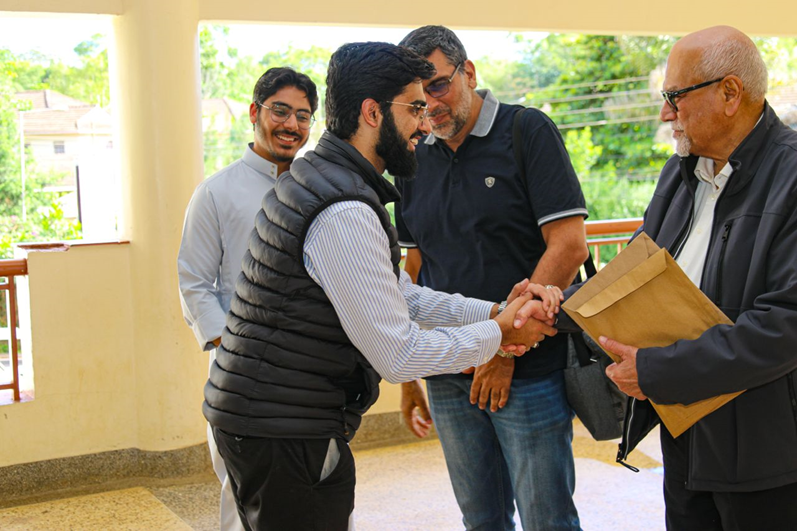
Such connections reflect the broader objective of the Youth Table initiative, not only to provide exposure, but also to begin building bridges between youth and Federation structures. These early engagements represent a positive step towards integrating youth within existing systems in a meaningful and practical way.
In addition, a number of youth were supported in accessing networking opportunities with boards they were particularly interested in, further strengthening these connections and encouraging continued engagement beyond the Council.
Youth Insights and Contribution Opportunities
Across all reflections, youth participants identified several areas where they can actively support and strengthen ongoing initiatives across the eleven boards and the Archives Subsection. These insights are not intended as critiques, but as opportunities where youth involvement can add value.
One key area identified was digital engagement and communication. Many board initiatives would benefit from increased visibility among younger audiences. Youth participants suggested supporting boards in creating short, accessible content for platforms such as Instagram, TikTok, and initiatives such as Pulse. This could include brief videos on topics such as educational guidance, health awareness, community initiatives, and professional development.
In addition, youth highlighted an opportunity to further strengthen communication between boards and local jamaats. While initiatives are impactful, increasing awareness at a grassroots level would enhance engagement. Youth expressed willingness to act as a bridge by working alongside the Media Team while also supporting local propagation efforts within their respective jamaats. This ensures that communication is not only centralized, but also supported at a local level through youth involvement.
Another area of contribution is grassroots involvement at the jamaat level. Youth expressed a strong willingness to support initiatives within their local communities. For example, within the Archives Subsection, youth can assist in ongoing efforts to preserve history and heritage by participating in documentation, storytelling, and community engagement activities in Nairobi. One of the youths has already shown willingness to join and is in constant communication with the Sectional Secretary of the Archives Subsection.
Working alongside existing teams, youth can help extend the reach and impact of these initiatives at a more local level, reflecting a shift towards more active grassroots participation.
In the area of education and economic support, youth identified overlapping challenges faced by both the Economic Development Board and the Education Board, particularly in relation to loans and collections. It was suggested that increased collaboration between these boards could lead to more streamlined and sustainable approaches, allowing shared insights to contribute towards improved solutions.
In the area of education and career development, youth participants showed interest in supporting initiatives related to career guidance and student support. This could involve contributing to peer-led sessions, assisting with awareness campaigns, and helping connect students with relevant opportunities and resources.
Additionally, youth identified opportunities to support community awareness and outreach initiatives, including areas related to environmental responsibility, health awareness, and social impact. Through structured involvement, youth can help amplify existing efforts and contribute to broader community engagement.

Furthermore, a suggestion was made to explore the inclusion of a youth representative within the Housing Board. Subject to criteria set by the board, an appropriate youth could be selected to support ongoing initiatives, contribute perspectives, and assist where required. This would provide an opportunity for youth to engage more directly while also supporting the work of the board in a practical manner.
These suggestions reflect a clear willingness among youth not only to observe, but to actively participate and contribute within existing Federation structures.
Conclusion
The Youth Table initiative at the 90th Supreme Council Session reflects a positive step forward in strengthening youth engagement within the Africa Federation. Through structured participation, reflection, and interaction, youth were able to gain meaningful insight into the Africa Federation’s operations while also identifying areas where they can contribute.
The experience highlighted that youth are not only interested in being present but are also ready to support and engage at a grassroots level. With continued guidance and structured opportunities, youth can play a valuable role in supporting initiatives across the eleven boards and the Archives Subsection.
Through the efforts of AYN, this initiative is gradually evolving into a platform that connects youth with institutional structures, encourages participation, and supports long-term development. The introduction of the workbook system, combined with opportunities for engagement and networking, reflects that this is an initiative that is growing with purpose.
Overall, the Youth Table demonstrates that meaningful steps are being taken towards developing youth involvement within the Federation. It reflects a direction where youth are not only included, but are being prepared to contribute, support, and grow within the Africa Federation ecosystem.

Secretariat
Africa Youth Network
25th May 2026.


Comments