

AFTAB's STC 2026 Unites Religious Leaders Across East Africa
AFTAB's STC 2026 Unites Religious Leaders Across East Africa
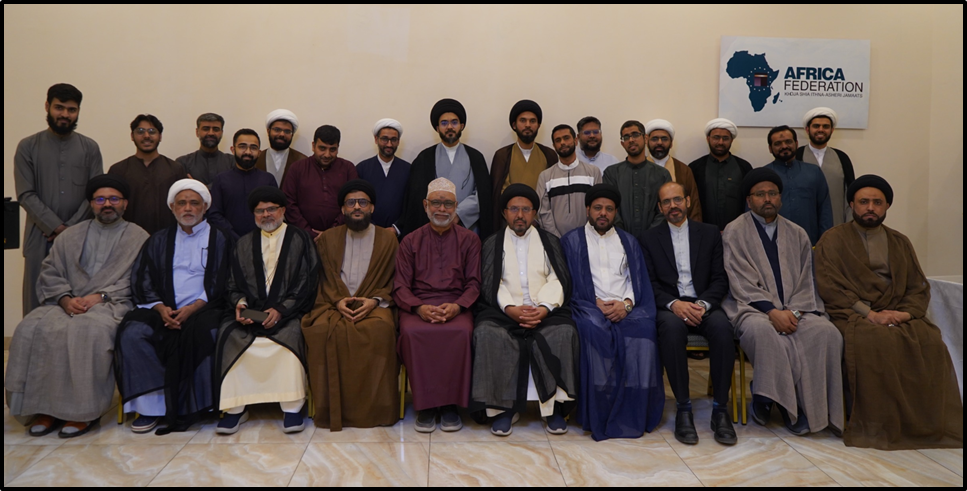
The Africa Federation Tabligh Board (AFTAB) hosted the second Scholars and Tabligh Officials Conference (STC), which was held at AFED Towers in Dar es Salaam from 4th to 6th September 2026. Around 30 scholars and Jamaat Tabligh officials came together for three days of sessions, workshops, and open discussions.
Building on the inaugural 2025 retreat, the second edition of the conference strengthened regional collaboration and equipped scholars and tabligh officials to tackle modern challenges facing communities across East Africa.
Participants travelled from 12 places across East Africa and beyond: Dar es Salaam, Zanzibar, Nairobi, Mombasa, Arusha, Moshi, Morogoro, Mwanza, Kampala, Reunion, Madagascar, and Qom.

"Invite to the way of your Lord with wisdom and good instruction, and argue with them in a way that is best." (An-Nahl, 16:125)

Background
The first Scholars and Tabligh Officials Retreat took place in Dar es Salaam in January 2025. The retreat's core objectives focus on equipping scholars and tabligh teams with relevant knowledge and skills, developing a better understanding of the issues faced by different Jamaats, encouraging the sharing of experiences from the field, providing tabligh resources, and building connections within the region's scholarship and leadership.
At the end of that retreat, participants asked for three things: a deeper dive into specific themes, more skill development, and an annual gathering that builds on previous outcomes. The 2026 conference delivered on all three.

Conference Structure
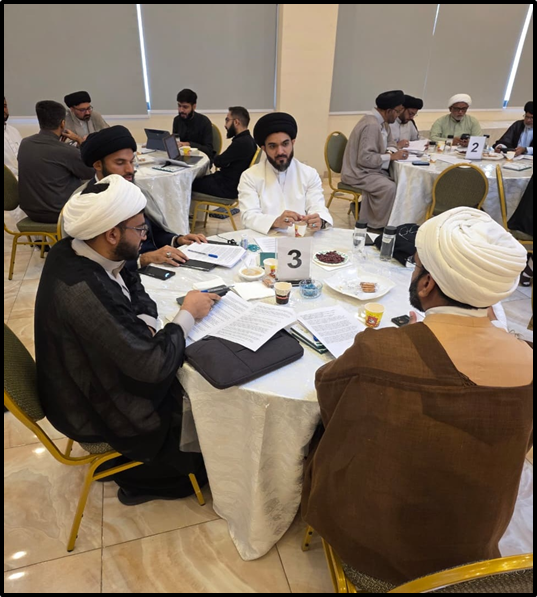
The three-day programme featured over 10 sessions including interactive workshops where participants worked in small groups to discuss specific challenges, developed responses, and presented their thoughts to the wider group, followed by expert commentary and review.
Theme 1: Tackling Doubts
A core focus of the conference was equipping participants to address religious and intellectual doubts within their communities. Sessions covered the methodology of tackling doubts, understanding the mindset of the questioner, and hands-on workshops where groups tackled specific contemporary doubts and presented their responses. Scholars contributed with presentations alongside the group work.
Theme 2: How to Analyse the World Today
Under this theme, participants engaged with current affairs and geopolitical developments from an Islamic perspective. Topics included current affairs from a Quranic perspective, the relationship between the Khoja community and the bigger ummah, and balancing sensitivities when presenting socio-political analysis. These sessions responded to the increasing demand for scholars to offer grounded, balanced analysis on global issues affecting their communities.
Theme 3: Islamic Principles for Dealing with Controversies
This final theme addressed the complexities of community engagement. Sessions examined how to deal with different groups and mentalities, based on Islamic teachings and the experience of scholars who have been working closely with their communities for many years. The presentations were complemented with a workshop on dealing with controversies within the community. The theme drew directly from the 2025 conference findings, which identified community engagement and relationship-building as a top expectation from scholars and a persistent challenge for tabligh officials.
Voices from the Conference
"These gatherings are very valuable for resident scholars, and for me especially, as I refresh my knowledge, gain new perspectives, and recall memories from our Hawza days. I return from them with renewed energy and motivation. We learn immensely from one another, exchange experiences, and bring back new ideas to apply in our own Jamaats. This gathering should continue every year." ~ Syed Ali Abbas Rizvi, Kampala
"This is a very valuable and much needed platform, bringing scholars and tabligh teams together to share experiences, understand challenges, and improve coordination between our Jamaats and with AFTAB. As someone with less knowledge than the scholars present, I have learnt a lot, and it has been extremely beneficial. I pray this initiative continues, inshaAllah." ~ Br. Ali Rowjani, Nairobi
Looking Ahead
Now in its second year, the STC has established itself as a vital platform for coordination, skill-building, and unity among the region's religious leadership. With each edition building on the feedback and outcomes of the previous one, AFTAB continues to strengthen the network of scholars and tabligh officials working to serve communities across East Africa.
May Allah (swt) accept the efforts of all the participants, facilitators and organisers and bless the scholars and tabligh officials in their service to the community. Ameen.
SECRETARIAT
TABLIGH BOARD OF AFRICA FEDERATION (AFTAB)
12th October 2026
Download: Tabligh Bulletin - AFTAB's STC 2026 Unites Religious Leaders Across East Africa (PDF, 444KB)


Comments