


The worth of every person lies in what they attain.
Imam Ali (a.s)
Every person has the capacity to grow, contribute and leave a positive mark on those around them. Such growth is cultivated through continuous learning, sincere reflection and a willingness to translate knowledge into action. As individuals gain greater confidence, purpose and awareness, they become better equipped to strengthen their families, workplaces and communities. By nurturing these qualities, leadership development extends far beyond personal achievement, creating a lasting impact that inspires positive change for generations to come.
With this vision, the Africa Federation Capacity Building Group (CBG), in collaboration with the India Federation and the Council of Gujarat, successfully organized the Leadership Development Program (LDP) in Bhavnagar from 5th to 7th June 2026. The initiative brought together participants for an engaging journey of learning, reflection and personal development.

Guided by Br. Shabbirhussein Khalfan, Br. Inayat Firdousi and Sr. Maryam Khalfan, the programme unfolded as a space of shared learning and reflection, where participants were encouraged to engage deeply with ideas and experiences. Each day began with reflections from the Holy Qur’an, anchoring the sessions in spiritual insight and aligning personal growth with faith and purpose.
The learning journey encouraged participants to move beyond theory and into reflection on how leadership is lived in everyday situations. By engaging with real-life perspectives and shared experiences, they were able to examine how communication, decision-making, and relationships are shaped by values, and how these choices ultimately influence the way they lead, interact and respond to challenges.
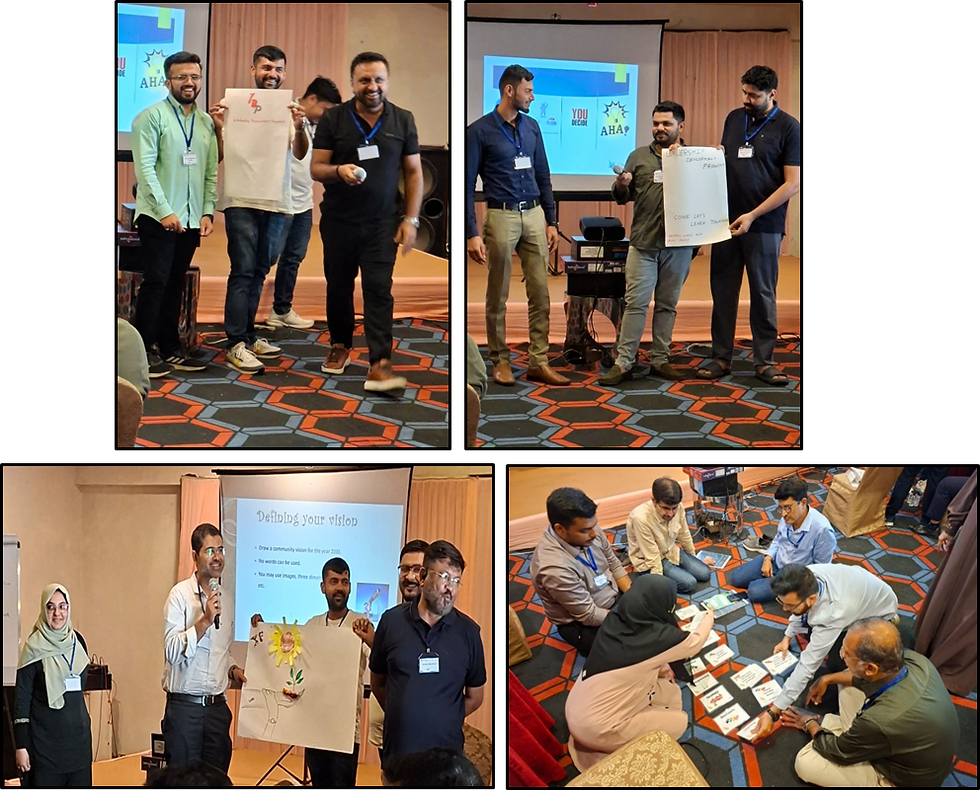
Leadership is a journey that continues long after a programme concludes. The true measure of its success lies in the positive influence participants bring to the environments they return to. By strengthening self-awareness, broadening perspectives and encouraging purposeful action, the Leadership Development Program seeks to equip participants with practical tools that support lifelong growth and empower them to contribute with confidence, compassion and responsibility.
As the programme came to a close, participants left with renewed perspectives, greater clarity of purpose and a stronger appreciation of the role they can play in shaping the future of their communities. It is hoped that the knowledge gained, the habits cultivated and the spirit of collaboration fostered throughout the programme will continue to inspire positive action, creating a ripple effect that extends far beyond the classroom.


The Capacity Building Group (CBG) extends its sincere appreciation to the Africa Federation Office Bearers and the AFED Secretariat for their continued encouragement and support in strengthening capacity-building initiatives across the community.
Sincere gratitude is also extended to the India Federation and the Council of Gujarat for hosting the Leadership Development programme in Bhavnagar and for their generous hospitality and support throughout its successful implementation.
Heartfelt appreciation is also extended to all the participants for their enthusiasm, openness and wholehearted engagement throughout the programme. As they continue their individual leadership journeys, we wish them every success in putting their learning into practice and serving their communities with sincerity, wisdom and purpose. May the seeds planted during these few days continue to grow, inspiring positive change and creating a lasting ripple effect for the benefit of generations to come.

Participants Feedback
I found self-reflection to be one of the most valuable aspects of the programme.
I gained a deeper understanding of the importance of effective communication.
The programme was worth every second.
I would recommend the Leadership Development Programme to everyone I know.
I hope these kinds of learning opportunities continue to be offered, allowing more individuals to grow and benefit.
Click on the link below to view the testimonial of the 22nd Leadership Development Program in Gujarat, India:
LDP Testimonial:
Br. Aliraza Bhurani
Secretariat
Africa Federation Capacity Building Board (CBG)
Date: 18th July 2026


